When the Rich Fly Abroad to Survive: Who Will Save the Poor in Nigeria?
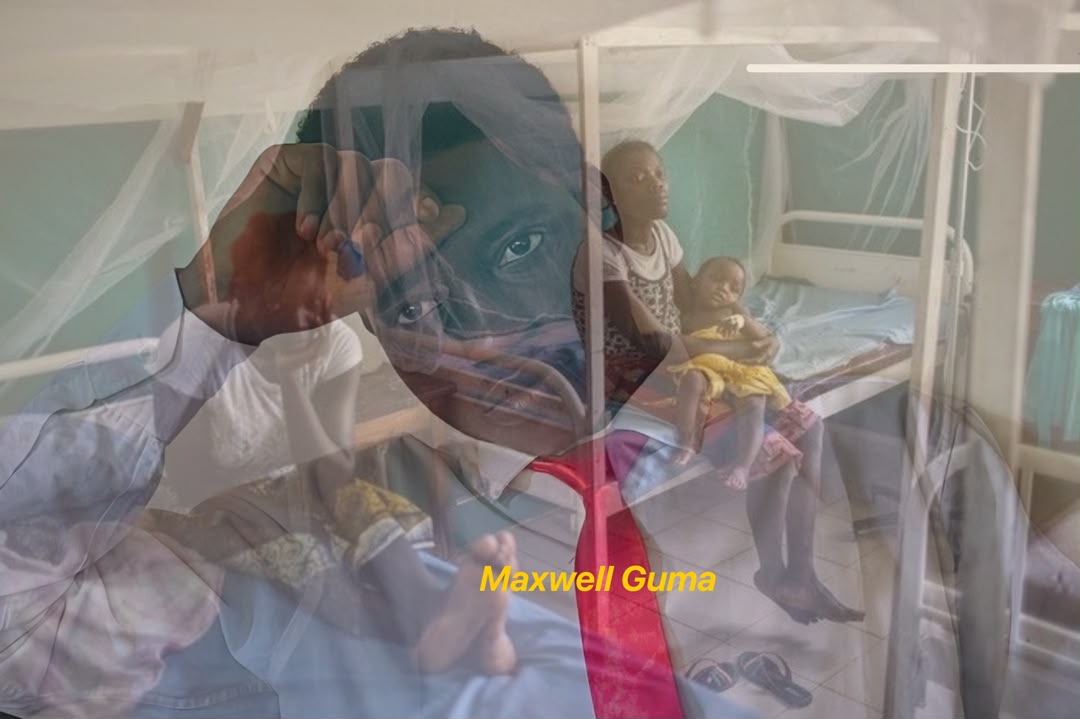
When the Rich Fly Abroad to Survive: Who Will Save the Poor in Nigeria?
By Maxwell Guma
As wealthy Nigerians seek specialised medical treatment abroad, millions of ordinary citizens continue to grapple with struggling public hospitals, rising healthcare costs and limited access to essential medical services. The question is no longer just why Nigerians travel abroad for treatment, but why quality healthcare remains out of reach for so many at home.
A Nigerian in need of urgent medical attention should not have to worry about whether their bank account is large enough to keep them alive. Yet, across the country, access to quality healthcare is often shaped not only by the severity of an illness but also by a patient's financial circumstances.
For the wealthy, travelling abroad for specialised medical treatment may be an option. For millions of ordinary Nigerians, however, the alternatives are often limited to public hospitals and local healthcare facilities that may struggle with inadequate equipment, staff shortages, long waiting times and the rising cost of treatment.
This is the uncomfortable inequality at the heart of Nigeria's healthcare crisis: while some citizens can cross international borders in search of better medical care, others must depend on a system they may struggle to trust, afford or access.
The issue goes beyond medical tourism. It raises fundamental questions about public investment, institutional accountability and the responsibility of government to protect the lives of its citizens.
Why do wealthy Nigerians, including prominent political leaders, continue to seek medical attention abroad? More importantly, what happens to those who cannot afford to follow the same path?
Nigeria's Healthcare Crisis: Beyond Hospital Buildings
Nigeria's healthcare challenges cannot be measured simply by the number of hospitals scattered across the country. A functional healthcare system requires qualified medical professionals, modern diagnostic equipment, essential medicines, reliable electricity, adequate funding and effective management.
A hospital may have an impressive building, but what happens when a patient arrives and discovers that the necessary equipment is unavailable, a specialist cannot be accessed or the cost of treatment is beyond their means?
These are the realities that continue to raise concerns about the quality, accessibility and affordability of healthcare in Nigeria.
I experienced this challenge firsthand when I fell ill and visited a public clinic by myself. Despite arriving at about 8 a.m., I waited for six hours without receiving medical attention. At the end of the day, I was told to return on Monday.
Come back on Monday? When I was sick?
My experience was frustrating and raised an important question: how many other Nigerians have faced similar situations while seeking medical attention?
Although my experience alone cannot establish how widespread the problem is, it highlights the importance of examining patient experiences, investigating complaints and ensuring that healthcare facilities are accountable for the services they provide.
For someone whose condition requires urgent attention, a prolonged delay is not merely an administrative inconvenience. Depending on the nature of the illness, it can have serious consequences.
Beyond delays, concerns about staff shortages, poor patient relations, inadequate facilities and the unavailability of essential services further complicate the experience of seeking healthcare in public hospitals.
The issue is not to condemn every healthcare worker or institution. Many medical professionals continue to serve under difficult conditions, often with limited resources. However, patients deserve timely attention, respectful treatment and appropriate medical care, regardless of their financial or social status.
A Painful Testimony Raises Questions About Patient Care
During the thanksgiving week in July 2026 at Cornerstone Christian Centre, Keffi, a man from my church shared an emotional account that has remained with me.
As he delivered his thanksgiving speech, I watched him cry uncontrollably. His words revealed the depth of his grief and the pain associated with the loss of his father.
One statement particularly caught my attention. Referring to the Federal Medical Centre (FMC), Keffi, he said:
"Please, pray that nothing should happen to you and you're rushed to FMC Keffi. My dad died before his time because of how nonchalant the workers there are."
He continued speaking, but his words had already raised a troubling question about the experiences of families who believe that delays or inadequate treatment contributed to the loss of their loved ones.
His testimony was deeply emotional. However, the specific circumstances surrounding his father's death, including the treatment received and the timeline of events, would need to be independently established before responsibility could be attributed to any individual or institution.
Nevertheless, accounts such as this deserve to be taken seriously. They underline the importance of effective complaint procedures, independent investigations where necessary and transparent mechanisms for addressing allegations of poor medical care.
Hospitals must be places where patients and their families can seek help with confidence, not institutions they approach with fear.
For patients experiencing medical emergencies, timely assessment and appropriate treatment can make a critical difference. No Nigerian should have to feel abandoned when seeking help from a healthcare facility.
The Financial Cost of Seeking Medical Treatment Abroad
Medical tourism has become an important part of Nigeria's healthcare debate, particularly because of the financial resources spent on treatment outside the country.
According to a 2025 report by The PUNCH, citing Central Bank of Nigeria statistical data, Nigerians spent approximately $4.74 million on foreign healthcare-related services between May 2023 and March 2025.
The report stated that this represented a 52 per cent decline compared with the corresponding period during the first 22 months of the preceding administration.
These figures relate to reported spending on foreign healthcare-related services and should not be interpreted as the total value of all medical tourism by Nigerians. Nevertheless, they highlight the financial dimension of the country's dependence on overseas medical services.
It is important to recognise that travelling abroad for treatment is not automatically an indication that Nigeria's entire healthcare system has failed. Some complex procedures require highly specialised expertise or facilities that may not be readily available locally.
Patients also have the right to seek treatment wherever they believe they can receive appropriate care.
The deeper concern, however, is whether Nigerians should have to travel abroad to access services that a properly supported domestic healthcare system could provide.
When essential equipment is unavailable, specialist services are limited and patients face long delays, the consequences can be devastating.
The objective should not be to prevent Nigerians from seeking treatment abroad. It should be to strengthen local institutions so that quality medical care is accessible to more people, regardless of their financial circumstances.
The Brain Drain: Who Will Treat Nigerians?
Another major challenge confronting Nigeria's healthcare system is the difficulty of retaining trained medical professionals.
Poor working conditions, inadequate remuneration, limited opportunities for professional advancement and concerns about the availability of essential working resources have contributed to the migration of healthcare workers in search of better prospects abroad.
The departure of experienced doctors, nurses and other healthcare professionals places additional pressure on a system that must serve a large population with diverse medical needs.
Even where hospital buildings and modern equipment are available, shortages of qualified personnel can limit the services patients receive.
A functional healthcare system depends on more than infrastructure. It needs skilled professionals who are adequately supported, fairly remunerated and equipped to perform their duties effectively.
Addressing the problem requires sustained investment in healthcare education, improved working conditions, competitive remuneration, professional development and a safer, better-equipped working environment.
Nigeria must also explore practical ways to retain experienced professionals, encourage knowledge transfer and create opportunities for medical specialists to contribute to the country's healthcare development.
Without sustained action, the country risks continuing to lose valuable expertise while patients at home struggle to obtain essential medical services.
The question is straightforward: what is the value of training medical professionals if the conditions necessary for them to practise effectively are not available at home?
When Illness Becomes a Financial Crisis
For a low-income Nigerian family, an illness can become a financial emergency long before it becomes a medical one.
The cost of consultation, laboratory investigations, medication, transportation and hospital admission can place enormous pressure on household finances. When specialist treatment or surgery becomes necessary, the financial burden may increase substantially.
Some families are forced to borrow money, sell assets, depend on relatives or exhaust their savings to pay medical bills. Others may delay seeking professional help because they are uncertain about how they will pay for treatment.
Such delays can make certain medical conditions more difficult and expensive to manage.
For wealthy patients, international treatment may be a realistic option. For many ordinary Nigerians, however, travelling abroad is financially impossible. Their access to treatment depends largely on the capacity and affordability of facilities within their communities.
This disparity makes healthcare more than a public policy issue. It is a question of fairness, human dignity and the protection of life.
A healthcare system cannot be considered truly accessible simply because hospital doors are open. If patients cannot afford the consultation, tests or medicines they need, meaningful access remains limited.
The government must therefore strengthen health insurance, improve financial protection for vulnerable households and reduce the economic barriers that prevent Nigerians from seeking timely medical attention.
Public healthcare must not become a privilege reserved for those who can afford the highest prices.
Nigeria Once Invested in Building Medical Institutions
Nigeria's healthcare story is not exclusively a story of present-day challenges. It is also a history of institutional development, medical education and efforts to build domestic expertise.
On November 20, 1957, the University College Hospital (UCH), Ibadan, officially opened its doors with an initial capacity of 500 beds. The institution became a significant part of Nigeria's medical history, supporting clinical services, medical education and specialist training.
The foundation for this development had been laid earlier. In 1948, the University College, Ibadan, established its medical faculty under an academic relationship with the University of London.
Over time, the institution developed its clinical training capacity. In 1960, its first 13 medical graduates trained wholly in Ibadan qualified as doctors, representing an important milestone in the development of indigenous medical education.
Nigeria also invested in community-based healthcare initiatives. In 1963, the University of Ibadan established the Ibarapa Community and Primary Health Care Programme, linking medical education with the practical healthcare needs of local communities.
These developments demonstrate that Nigeria has previously invested in building medical institutions, training professionals and connecting healthcare services with community needs.
This history should not be romanticised. Medical services were never evenly distributed across the country, and many communities experienced shortages of facilities, medicines and trained personnel. Nevertheless, the development of these institutions provides an important foundation for considering what Nigeria can achieve with sustained investment and effective management.
Today, the central question is not simply whether Nigeria can build hospitals. It is whether the country can adequately equip them, maintain modern diagnostic facilities, retain skilled professionals and make specialist treatment affordable for ordinary citizens.
If Nigeria has demonstrated the capacity to establish important medical institutions and develop its own medical expertise, why do so many citizens continue to worry about whether they can afford the healthcare they need at home?
The answer requires more than nostalgia. It requires consistent funding, responsible management, transparent spending and measurable improvements in patient care.
Political Leaders and the Medical Tourism Debate
Nigeria's medical tourism debate becomes more significant when the country's political history is examined.
Over the years, several prominent Nigerian political leaders have received medical treatment abroad. Their experiences have repeatedly drawn public attention to the capacity of domestic healthcare institutions to provide specialised services.
Former President Muhammadu Buhari, for instance, spent extended periods in the United Kingdom for medical treatment during his presidency. His prolonged absence in 2017 generated national debate about presidential health, public accountability and Nigeria's dependence on overseas medical care.
Buhari returned to London for medical treatment in 2025 and died there on July 13, aged 82. His death was confirmed by the Nigerian Presidency.
Another prominent example is former President Umaru Musa Yar'Adua, who travelled to Saudi Arabia for medical treatment in November 2009. His prolonged absence created a major political and constitutional crisis, raising questions about executive authority, public disclosure and continuity of governance.
Yar'Adua returned to Nigeria and died in Abuja on May 5, 2010, while still in office.
Former Vice-President Alex Ekwueme was also flown abroad for emergency medical treatment in November 2017 after being hospitalised in Enugu. He subsequently died at the London Clinic on November 19, 2017. His medical evacuation attracted public attention, particularly because the federal government approved the emergency arrangement.
At the state level, former Ondo State Governor Rotimi Akeredolu received medical treatment abroad, including in Germany, during the final period of his life. He died on December 27, 2023, aged 67.
The history stretches further back. Former military Head of State Ibrahim Babangida reportedly travelled to Germany for medical attention in 1986, illustrating that overseas treatment by Nigerian leaders predates the current democratic era.
Former Niger State Governor Abdulkadir Kure also died in a German hospital on January 8, 2017. However, the circumstances surrounding his journey and treatment should be independently established before drawing specific conclusions about his medical care.
These cases illustrate why overseas medical treatment remains part of Nigeria's public debate. However, an individual's decision to seek treatment abroad does not, by itself, prove that every comparable service is unavailable or inadequate in Nigeria.
Political leaders, like other citizens, have the right to seek appropriate medical care. The concern is not that they travel abroad, but whether the country is doing enough to ensure that reliable treatment is available to the wider population.
When influential individuals can access alternatives that ordinary citizens cannot afford, questions about inequality and public priorities become difficult to ignore.
The ultimate objective should be to build a healthcare system in which Nigerians can receive appropriate treatment at home without needing exceptional wealth, political influence or international connections.
From Political Promises to Practical Results
Public officials have a responsibility to ensure that the institutions serving ordinary citizens are adequately funded, properly equipped and professionally managed.
When citizens perceive that those entrusted with public resources can access alternatives while they must endure the shortcomings of public services, confidence in those institutions may decline.
The issue is not that every political leader must receive treatment in Nigeria regardless of medical circumstances. The deeper concern is whether those who make decisions about public healthcare are doing enough to ensure that Nigerians do not need wealth or influence to obtain quality medical attention.
Confidence in hospitals cannot be built through speeches and political promises alone. It must be earned through functioning equipment, competent professionals, respectful patient care, transparent spending and measurable improvements in health outcomes.
Nigeria needs a healthcare system that gives citizens sound reasons to seek treatment at home.
Achieving this goal requires investment in modern diagnostic and treatment facilities, the recruitment and retention of qualified professionals, reliable electricity and water, adequate supplies of essential medicines and stronger patient-protection mechanisms.
Federal and state governments must identify the most urgent gaps in public hospitals and publish clear, measurable plans for addressing them. They must also ensure that approved budgets translate into functioning services rather than remaining figures on paper.
Teaching hospitals and federal medical centres need the resources and personnel required to fulfil their mandates. Primary healthcare facilities must be strengthened so that illnesses can be detected and treated early, reducing the risk that preventable conditions develop into emergencies.
Accountability must also become a central part of healthcare reform.
Public institutions should provide transparent information about spending, procurement, equipment maintenance and service delivery. Complaints about delays, misconduct or inadequate care should be investigated through credible procedures, with appropriate corrective action where failures are established.
The private sector can contribute through responsible investment, innovation and partnerships. However, essential public healthcare must remain accessible to people who cannot afford expensive private services.
Healthcare reform must ultimately be measured by the difference it makes in the lives of patients, not simply by the number of hospitals constructed or the amount of money announced in annual budgets.
What Must Change?
If Nigeria is serious about improving healthcare, several priorities deserve urgent attention.
First, healthcare funding must produce visible results. Governments should strengthen budget implementation, improve procurement processes and ensure that hospitals receive the resources required to provide essential services.
Second, medical professionals must be supported and retained. Better working conditions, fair remuneration, professional development and access to functional equipment are essential to retaining skilled personnel.
Third, health insurance must become more effective and inclusive. Financial protection should be strengthened so that vulnerable households are less likely to delay treatment or suffer catastrophic medical expenses.
Fourth, public hospitals must become more accountable to patients. Clear complaint procedures, transparent service standards, appropriate investigations and effective oversight can help address legitimate concerns about the quality of care.
Fifth, primary healthcare must receive greater attention. Strengthening community-level services can improve early diagnosis, preventive care and access to essential treatment, particularly in underserved areas.
Finally, specialised medical services must be expanded strategically. Nigeria should identify critical gaps in areas such as diagnostics, emergency medicine, surgery and specialist treatment, then invest in the personnel, equipment and infrastructure needed to address them.
These measures will require sustained political commitment, careful planning and cooperation between federal and state governments, healthcare professionals, communities and the private sector.
The challenge is not simply to spend more money. It is to ensure that available resources improve the quality, affordability and reliability of healthcare for the people who need it most.
Who Will Save the Poor?
The Nigerian government cannot guarantee that every medical procedure will always be available within the country. However, it has a responsibility to build a healthcare system that meets the population's essential needs and steadily expands its capacity to provide specialised care.
Political leaders, policymakers and public officials must be judged by the quality of public services they help deliver. Healthcare should be one of the clearest measures of that responsibility because the consequences of failure can be irreversible.
A country that trains doctors but cannot retain enough of them, builds hospitals without adequately equipping them or allocates funds without ensuring that services improve must confront the gap between policy promises and patients' experiences.
Nigerians should not have to wait for a prominent official to experience a medical emergency before public attention turns to the condition of the country's hospitals.
The patient in a rural community, the student who cannot afford a medical bill, the mother seeking emergency care and the worker whose savings disappear into treatment deserve the same seriousness from those responsible for public healthcare.
Their lives matter just as much as those of the wealthy and politically influential.
The government must prioritise healthcare funding, ensure that approved budgets translate into functioning services, strengthen health insurance and reduce the financial barriers that prevent citizens from obtaining timely medical attention.
The country must also establish stronger accountability mechanisms to ensure that hospitals deliver the services expected of them and that complaints about poor treatment receive appropriate attention.
Ultimately, the measure of progress is not how many Nigerians can afford to fly abroad when illness strikes. It is how many can walk into a hospital at home and receive timely, safe and effective treatment without being pushed into financial hardship.
The real test of Nigeria's healthcare system is not whether the wealthy can find treatment elsewhere. It is whether the country can provide dependable care for the millions who have nowhere else to turn.
A nation should not measure its healthcare success by the ability of its richest citizens to escape its hospitals. It should measure that success by whether an ordinary citizen, regardless of income or influence, can walk into a hospital and receive the care needed to survive.
Until that becomes a reality, one question will continue to demand an answer: when the rich fly abroad to survive, who will save the poor in Nigeria?
About the Author: Maxwell Guma writes on public interest issues, healthcare, governance and social development.